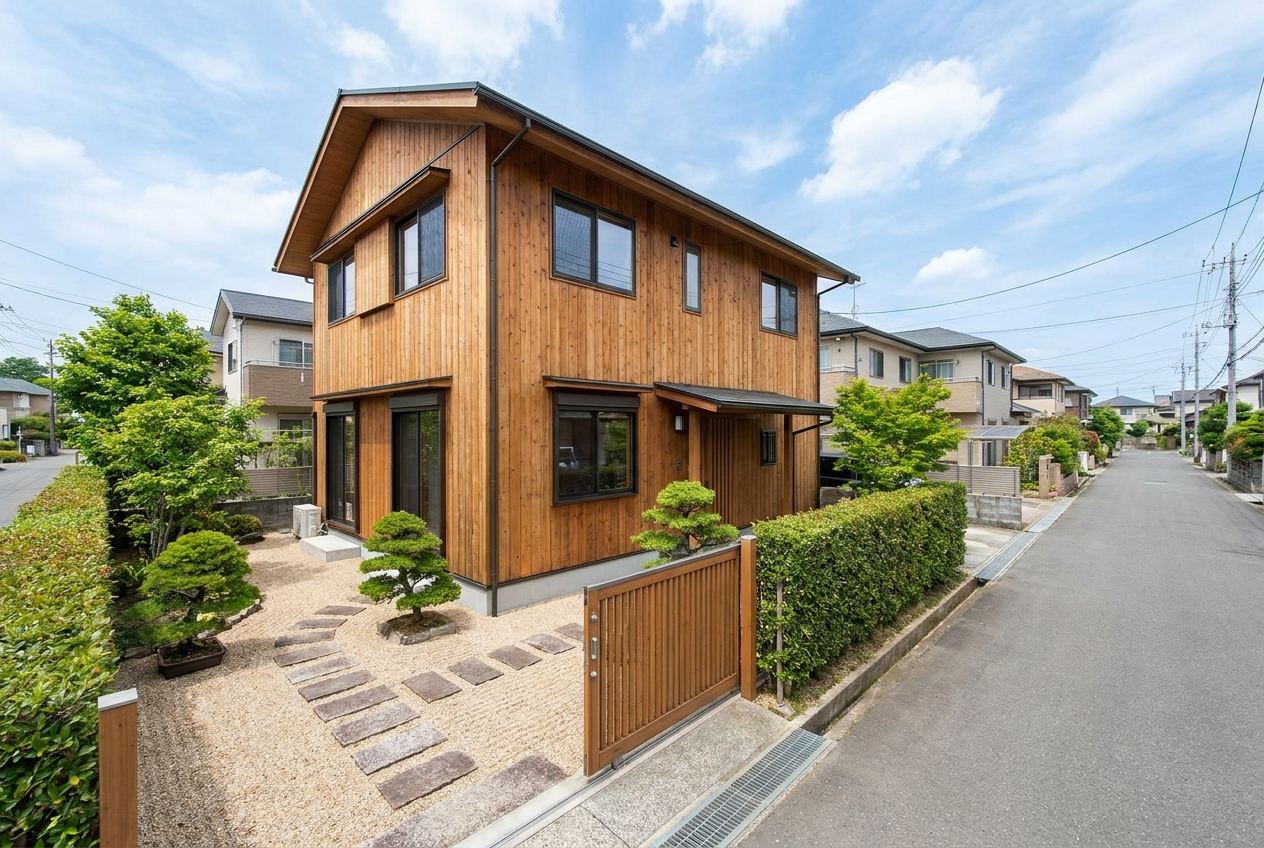
Detached houses
Homes where the land and building are owned together. Loans may fund the purchase of residential plots or the construction of ready-built homes.
Key trait: land value tends to drive the valuation
2026 edition: an introduction to real estate crowdlending
Benggo4 is an educational publication that explains property-backed lending crowdfunding (P2P lending) from a neutral standpoint. We cover the mechanism, the advantages, and the often-overlooked risks, all in line with Japan's regulatory framework.
This website is for information only. We do not solicit, sell or broker any financial products.
Basics
Crowdlending is a mechanism that pools money from many individuals through an online platform and lends it to businesses. In Japan it is also called lending-type crowdfunding or social lending.
In real estate crowdlending, the borrowers are typically property companies or developers, and the funds are used for land acquisition, construction or renovation. Most loans are secured by real estate, with interest paid during the term and the principal repaid at maturity.
However, neither the principal nor the yield is guaranteed. If the borrower's project does not go to plan, repayments may be delayed or the principal may be impaired. Understanding the mechanism is the first step toward judging the risks properly.
How it works
We break the flow of funds into five steps. Knowing what checks happen at each step gives you a clear picture of the whole mechanism.
A property company or developer needs capital to acquire or develop a property. Crowdlending is considered as a supplement to bank financing.
An operator registered as a Type II Financial Instruments Business Operator reviews the borrower's finances, business plan and the valuation of the collateral property.
Approved projects are published on the platform with the term, expected interest rate, collateral and risk information, and small amounts are collected from many individuals.
The pooled funds are lent to the borrower through the silent partnership and used for acquisition, construction or renovation.
The borrower pays interest under the contract and repays the principal at the end of the term. If repayment stalls, recovery is attempted, for example by selling the collateral property.
Advantages and risks
Crowdlending has distinctive characteristics. It is important to give the risks the same weight as the advantages.
Compared with buying property directly, these schemes are usually designed so that people can take part in real estate lending with relatively small amounts.
Property management, tenant relations and repairs are handled by the borrower or the operator, so participants do not deal with them directly.
The term, expected interest rate and collateral details are disclosed at the time of fundraising, which makes conditions easier to compare and review.
Reading project information helps you understand regional property markets and how development projects progress.
If the borrower's business deteriorates or fails, interest and principal may not be paid.
Early withdrawal is generally not possible during the term. Even if you suddenly need cash, it may be locked up until maturity.
If a property sale or project progress is delayed, repayment may not happen on the scheduled date.
If property prices fall, selling the collateral may not recover the full loan amount.
Losses can arise from an operator's bankruptcy, poor management or insufficient disclosure. Some operators have received administrative sanctions in the past.
No financial product can guarantee yield or principal. Be very careful with any solicitation that uses phrases such as "guaranteed profit" or "principal protected".
Property types
We introduce the various types of housing and property and explain the characteristics of each in plain terms.
Homes where the land and building are owned together. Loans may fund the purchase of residential plots or the construction of ready-built homes.
Key trait: land value tends to drive the valuation
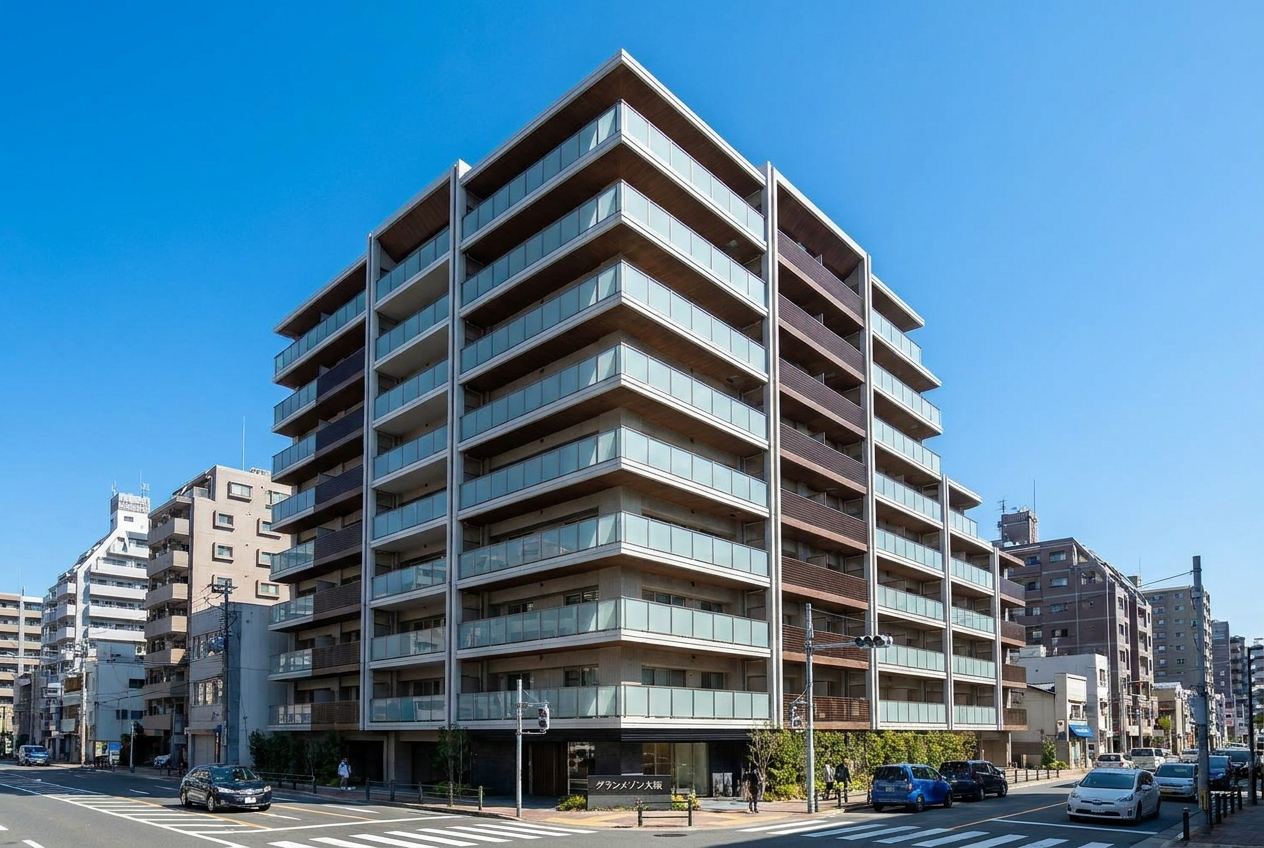
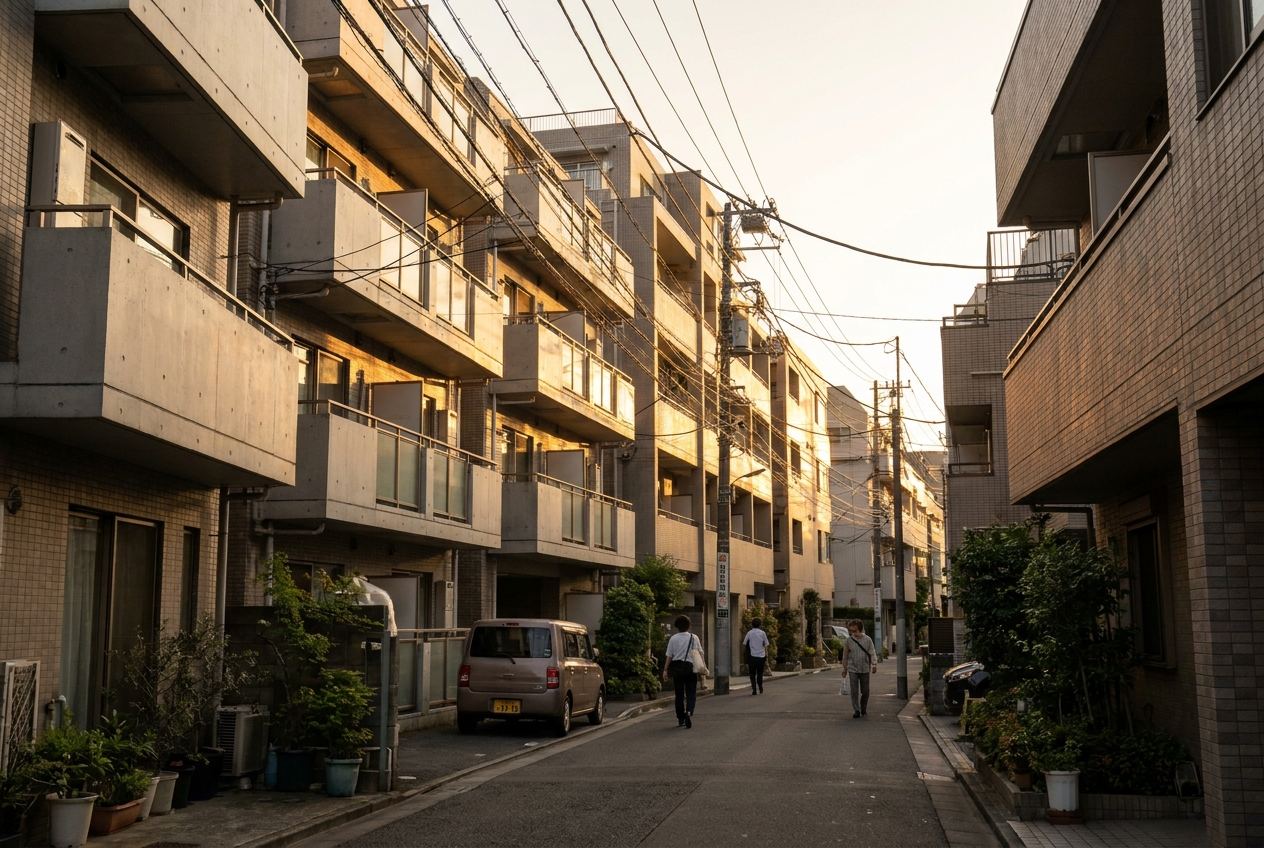
Reinforced concrete multi-unit housing. Funding needs include land acquisition, construction and whole-building renovation.
Key trait: location and occupancy strongly affect value

Commercial real estate used by manufacturers and logistics companies. Location factors such as expressway access matter most.
Key trait: the tenant company's creditworthiness is critical

Buildings used by companies as offices. Loans may be arranged for redevelopment, refurbishment or acquisition.
Key trait: sensitive to the economy and changing work styles
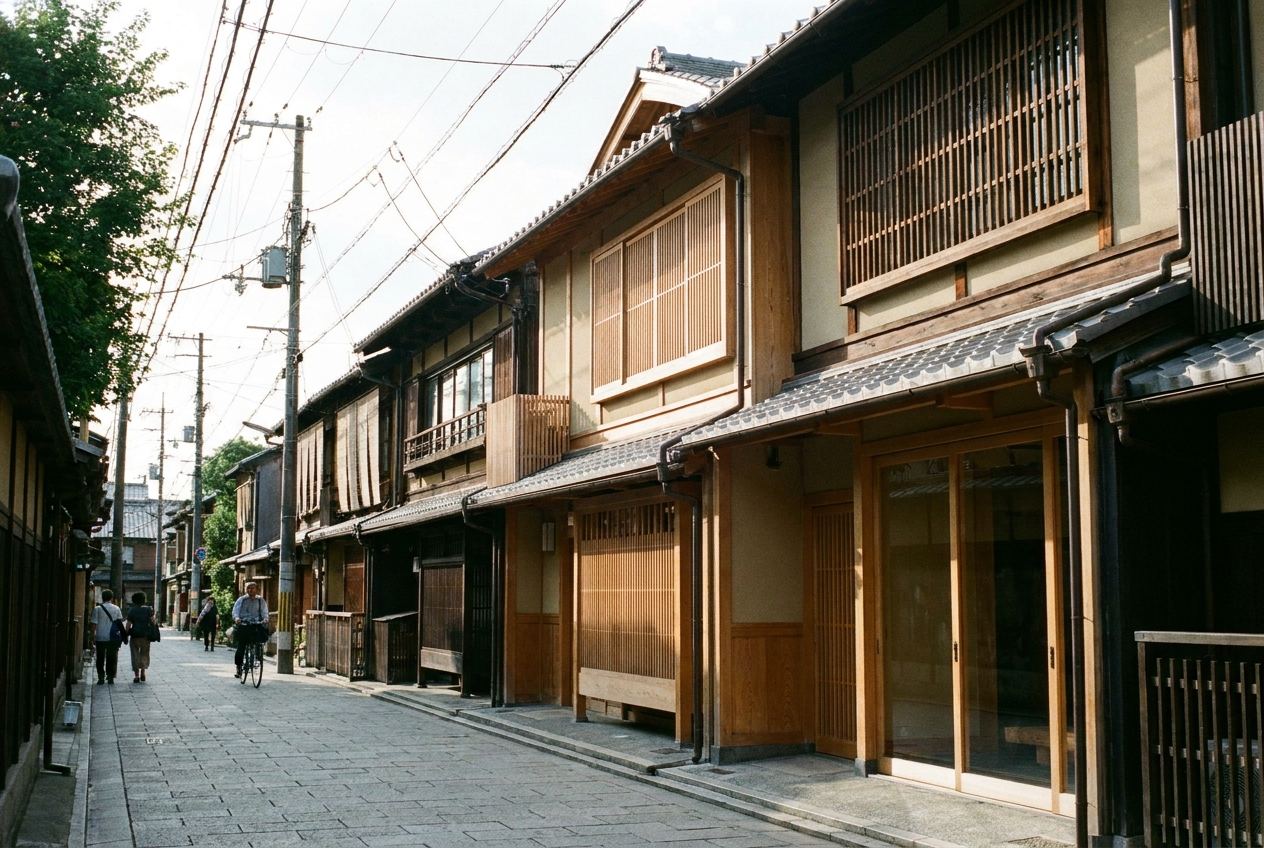
Traditional wooden townhouses found in Kyoto and elsewhere. They attract attention as candidates for renovation into lodgings or shops.
Key trait: renovation cost estimates and zoning checks are essential
Japan's property market
We provide fundamental knowledge about Japan's real estate market and housing.

Financial Instruments and Exchange Act
Businesses that solicit or handle lending-type crowdfunding must be registered as Type II Financial Instruments Business Operators.
Money Lending Business Act
Businesses that lend funds to borrowers must be registered as money lenders.
Real Estate Specified Joint Enterprise Act
Governs schemes in which contributors invest in the real estate business itself, a structure different from the lending type.
The main indicators are the Official Land Prices published each March by the Ministry of Land, Infrastructure, Transport and Tourism, the Prefectural Land Prices published in September, and the Route Prices published by the National Tax Agency in July.
Buildings that received building confirmation after June 1981 are designed to the New Seismic Standard. Together with building age, this is a key point in property assessment.
The City Planning Act defines 13 types of use zones, and the permitted building types, floor area ratios and building coverage ratios differ by zone.
The 2023 Housing and Land Survey by the Ministry of Internal Affairs and Communications counted about 9 million vacant homes, a record vacancy rate of 13.8%. Regional gaps in supply and demand are widening.
Under the Real Estate Brokerage Act, a licensed real estate transaction specialist must explain important matters before a property is sold or leased.
Owners pay fixed asset tax and city planning tax, while buyers pay real estate acquisition tax and registration and license tax. Rates and relief measures vary by property type.
Articles
Explainers in which our editorial team organizes the rules and mechanisms by topic.
Donation, reward, equity and lending. Under the same crowdfunding label, the mechanisms and laws differ greatly.
We outline the basics of the tokumei kumiai agreement used by most lending-type crowdfunding schemes.
Does "secured by real estate" mean safe? We explain collateral valuation and the idea of LTV.
Registration status, disclosure quality and past sanctions: points you can verify from public sources.
FAQ
Newsletter
Receive our latest articles and summaries of regulatory changes by email about twice a month. Subscription is free and you can unsubscribe at any time.
In addition to cookies required to run the site, we use analytics and advertising cookies only with your consent. For details, see our Cookie Policy.